Key Factors to Evaluate Before Selecting an ERW Pipe Supplier
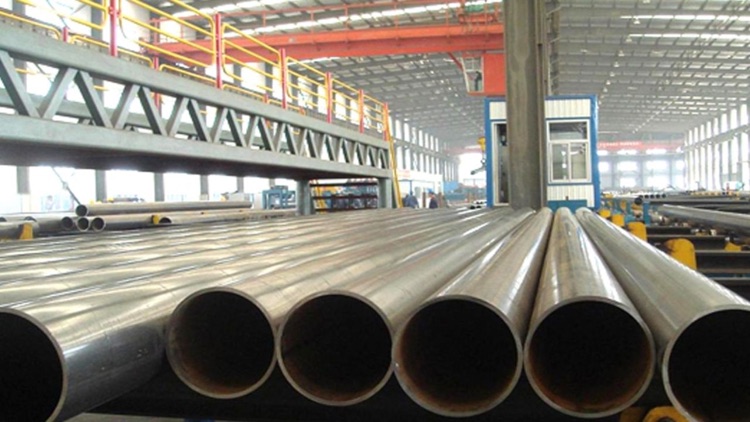
Selecting the right ERW (Electric Resistance Welded) pipe supplier is crucial. It ensures safety, durability, and performance in industrial projects. ERW pipes are widely used in construction, oil and gas, water supply, and structural applications. A reliable supplier ensures strong welds, accurate dimensions, proper material standards, and strict testing procedures. On the other hand, choosing the wrong supplier can lead to pipe failures, safety risks, and increased maintenance costs. This article highlights the key factors that should be considered before finalizing an erw pipe supplier.
Manufacturing Capacity and Production Technology
The first consideration when choosing an ERW pipe supplier is the manufacturing capacity of the supplier. Modern production machinery in the form of high-frequency welding machines, roll forming lines, and appropriate heat treatment machines should be available from a reliable supplier.
These machines have a direct influence on the quality of the pipe weld seam and strength. When a supplier does not possess adequate technology, there might be weak weld areas on the pipe or uneven wall thickness. An effective manufacturing system will guarantee the manufacture of pipes that have consistent quality, precise sizes, and improved functionality under actual working conditions. Another aspect that buyers should examine is the compliance of the supplier with the standard production steps, which include welding, heat treatment, and straightening, since any of the steps could compromise the reliability of the pipe.
Quality Testing and Inspection Systems
One of the most crucial areas that should be tested in an ERW pipe supplier is quality testing. There are various inspection techniques that a professional supplier employs.
These tests are useful in making sure that the weld seam is robust and there are no defects concealed within the pipe. Hydrostatic testing is used to verify that the pipe is able to maintain pressure without failure, and UT is used to identify defects within the welds. A supplier that fails to conduct adequate tests poses a high chance of failure of the pipes during installation or operation. This is why buyers must never fail to verify the inspection reports of the supplier before they decide whether to buy or not.
Weld Seam Quality and Heat Treatment Process
The weld seam is the most sensitive part of ERW pipes, and the quality of this area should be properly considered. A good supplier should make sure that the weld zone is well forged and heat-treated in a manner that the structure resembles that of the base metal. The weld area may also be hard and brittle without the right heat treatment, which causes a crack when strained or vibrated. The suppliers that undergo a controlled post-weld normalization method manufacture stronger and more durable pipes. Customers must also ensure that the supplier carries out consistent weld inspection since small flaws in the seam might lead to long-term performance problems.
Coating Options and Corrosion Protection
Another consideration that is not to be overlooked when selecting an ERW pipe supplier is coating quality. Moisture, soil, or even chemicals are exposures that pipes face, and therefore, the right coating prevents corrosion of the pipes.
An excellent supplier will provide a variety of coating choices depending on the environment of the project. In case of using the incorrect coating, the pipe can easily be corroded despite the good quality of the steel. Buyers should therefore make sure that the supplier is aware of the environmental conditions and he suggests appropriate protection systems.
Experience with Suppliers and Industry Reputation
Supplier selection is also largely influenced by experience and reputation. A good ERW pipe supplier would typically possess a good knowledge of various industries like construction, oil and gas, water supply, and structural engineering. They have a higher chance of offering consistent product quality and improved technical support. The past project references, export history, and customer feedback can be used to verify the reputation. A long-term supplier has the advantage that they are usually more dependable since he already has a history of demonstrating the functionality of their product in the real world.
Conclusion
The choice of the appropriate ERW pipe supplier must be made by careful consideration of numerous factors, such as manufacturing capacity, standards, test systems, quality of the materials used, weld treatment, coating, experience, and documentation. All of them contribute to the safety and efficiency of the pipes in the actual projects. Not only is a supplier chosen carefully to provide quality products, but long-term risks and maintenance expenses are minimized in industrial applications.