Simple Ways to Slow Down Wear on Sandvik Stump Grinder Carbide Teeth
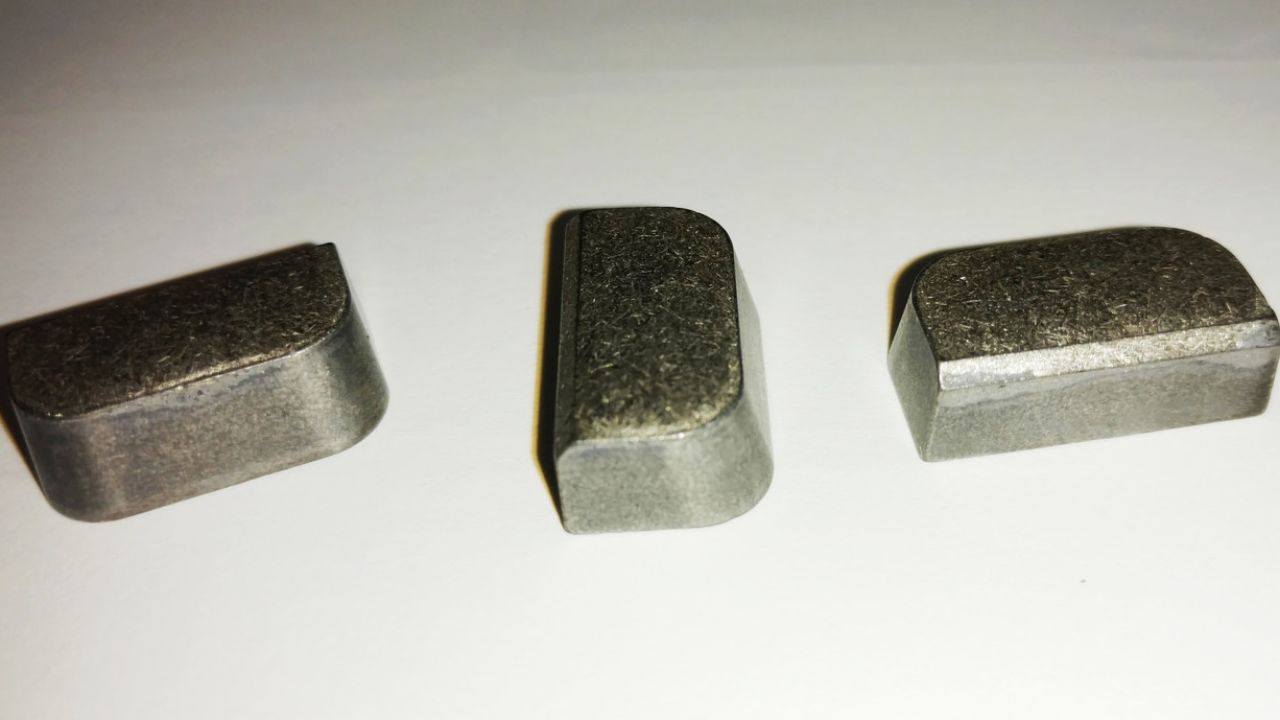
Carbide teeth on stump grinders face constant impact during work. Every cut pushes them against hardwood, soil, and sometimes hidden stones. Over time, this leads to gradual wear, and performance starts to drop. Operators often notice that replacement costs add up quickly if wear is not controlled. The goal is not to stop wear completely, but to slow it down through better handling and working habits. In many field setups, equipment from JYF Machinery is used alongside different tooth systems, and the same basic care principles apply across most stump grinding tools. You can check out here for JYF Machinery.
Start with the Right Tooth Choice
Not all carbide teeth behave the same in the field. Some are designed for softer material, while others handle harder wood and mixed ground conditions better. Using the wrong type leads to faster edge loss. Matching the tooth to the job reduces unnecessary strain and helps extend working time before replacement is needed.
Keep Cutting Pressure Under Control
One common mistake is pushing the grinder too hard into the stump. This increases the impact force and accelerates wear on the carbide edge. A steady cutting approach works better than forcing the machine. Letting the tool bite gradually into the wood helps maintain edge life for a longer period.
Avoid Hidden Hard Objects
Stumps often contain buried rocks, nails, or compacted soil. These materials are much harder than wood and cause sudden damage when hit. Checking the area before grinding reduces the risk of unexpected contact. Even a single impact with a hard object can significantly shorten the life of carbide teeth.
Adjust Speed to Match Material
Running the grinder at a constant high speed is not always effective. Different materials require different levels of force and rotation speed. Slower cutting in dense or rough areas reduces heat buildup. This helps protect the carbide tip from fast edge breakdown.
Maintain Proper Cutting Angles
The angle at which the teeth contact the stump affects wear rate. Incorrect angles increase friction instead of cutting cleanly. Keeping a stable and correct cutting position reduces stress on the tip. This also helps the grinder work more evenly across the surface.
Keep Teeth Clean During Work
Resins and other dirt accumulate on the carbide teeth used by stump grinders, limiting operational efficiency due to friction; therefore, stump grinders must be cleaned regularly. But for a JYF machine, such as a field machine, cleaning becomes a part of regular maintenance procedures.
Rotate Work Areas Instead of Focusing on One Spot
By grinding one part continuously, there is an increase in heat and pressure on the same teeth. This leads to uneven wear across the set. Spreading work across the stump in a balanced way helps distribute impact. It also keeps the cutting load more consistent across all teeth.
Watch for Early Signs of Dulling
Carbide tips do not fail suddenly in most cases. They gradually lose sharpness before breaking or chipping. Noticing reduced cutting speed or rougher output early helps prevent overuse. Addressing dullness before it becomes severe reduces long-term damage.
Keep Machine Stability in Check
Vibration during operation is often ignored, but it plays a role in wear. Unstable movement increases uneven pressure on the teeth. A stable machine setup maintains even contact. This helps prevent random stress points, which might cause premature erosion of the carbide tips.
Maintain Regular Inspection Habits
Regular inspections will help detect any wear and tear, cracks, or chipping. Small damage can grow quickly if ignored during operation. In many maintenance routines involving tools from JYF Machinery, inspection is performed before and after use to ensure the teeth remain in usable condition.
Replace Individual Teeth When Needed
It is not always necessary to replace the full set at once. Damaged or heavily worn teeth can be changed individually. This approach keeps the machine balanced while avoiding unnecessary cost. It also prevents worn teeth from affecting nearby ones.
Avoid Overheating During Continuous Work
Long, uninterrupted grinding sessions create heat buildup. High temperatures weaken carbide edges over time. Taking short breaks helps reduce heat stress. This keeps the cutting surface more stable during extended use.
Conclusion
Minimizing wear on the carbide teeth of the stump grinder primarily depends on how the equipment is used. Controlling pressure levels, angles, and knowledge of the ground condition helps extend the life of the teeth. In many working environments, equipment supported by JYF Machinery benefits from these simple practices, helping operators maintain steady performance without frequent replacements.